Garbage discharge conditions at sea and how special areas differ (MARPOL Annex V Regulations 3, 4 and 6)
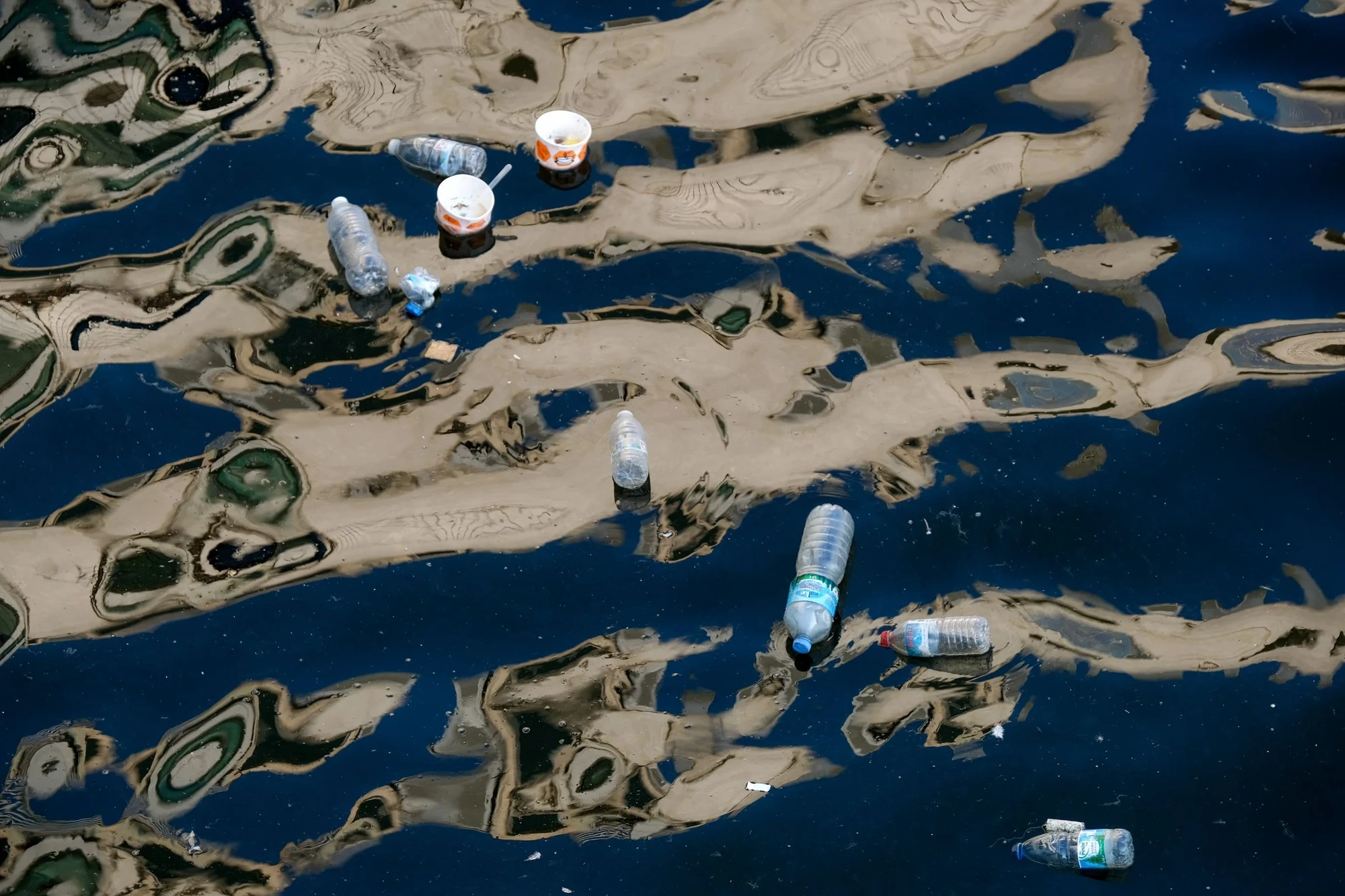
MARPOL Annex V prohibits discharging garbage into the sea as a rule and opens exceptions by type in Regulation 4 and Regulation 6. Regulation 4 is for outside special areas, Regulation 6 for inside. The same food waste meets a different distance and a different treatment condition depending on which sea the ship is in.
Regulation 1.14 names eight special areas. The Mediterranean Sea, the Baltic Sea, the Black Sea, the Red Sea, the Gulfs area, the North Sea, the Antarctic area and the Wider Caribbean Region. The special area conditions are not a worldwide obligation but bite only inside those areas, so the first thing to check is whether the route enters one. Under regulation 8.2.2, Regulation 6 takes effect for each area from a date the Organization sets after receiving the coastal Parties’ notifications on reception facilities.
The base text is resolution MEPC.201(62), in force from 1 January 2013. MEPC.277(70), in force from 1 March 2018, moved the criteria for judging cargo residues harmful into appendix I and added the shipper’s declaration. What follows is the text as amended.
The starting point is a total prohibition, with no exception for plastics or cooking oil
1 Discharge of all garbage into the sea is prohibited, except as provided otherwise in regulations 4, 5, 6 and 7 of this Annex. 2 Except as provided in regulation 7 of this Annex, discharge into the sea of all plastics, including but not limited to synthetic ropes, synthetic fishing nets, plastic garbage bags and incinerator ashes from plastic products is prohibited. 3 Except as provided in regulation 7 of this Annex, the discharge into the sea of cooking oil is prohibited.
The structure of Regulation 3 is the frame for reading every condition below. Paragraph 1 prohibits the discharge of all garbage, and only regulations 4, 5, 6 and 7 open exceptions. Paragraphs 2 and 3 name plastics and cooking oil separately and take them out of the exceptions in regulations 4 and 6 as well. The only exception left is the safety and accident exception of regulation 7.
The scope of plastics is set by regulation 1.13. Synthetic ropes, synthetic fishing nets, plastic garbage bags and incinerator ashes from plastic products all fall under all plastics. Incinerator ashes are category E, but ash from burning plastics cannot be discharged.
Outside special areas, food wastes split at 3 and 12 nautical miles
1 Discharge of the following garbage into the sea outside special areas shall only be permitted while the ship is en route and as far as practicable from the nearest land, but in any case not less than: .1 3 nautical miles from the nearest land for food wastes which have been passed through a comminuter or grinder. Such comminuted or ground food wastes shall be capable of passing through a screen with openings no greater than 25 mm. .2 12 nautical miles from the nearest land for food wastes that have not been treated in accordance with subparagraph .1 above. .3 12 nautical miles from the nearest land for cargo residues that cannot be recovered using commonly available methods for unloading. These cargo residues shall not contain any substances classified as harmful to the marine environment, taking into account guidelines developed by the Organization. .4 For animal carcasses, discharge shall occur as far from the nearest land as possible, taking into account the guidelines developed by the Organization.
Two conditions are common to every item. The ship has to be en route, and as far as practicable from the nearest land. The en route of regulation 1.5 is not simply being in motion. It is being underway so that the discharge is spread over as great an area of sea as is reasonable and practicable. A discharge at anchor or while drifting does not meet it.
For food wastes, treatment decides the distance. Passed through a comminuter or grinder and able to pass a 25 mm screen, it is 3 nautical miles; otherwise 12. Cargo residues take 12 nautical miles plus the absence of harmful substances. MEPC.277(70) rewrote the second sentence of .3. The reference to guidelines, taking into account guidelines developed by the Organization, was dropped. In its place came in accordance with the criteria set out in appendix I. The test moved from recommendatory guidelines into an appendix of the Annex itself.
The same resolution inserted a new paragraph 3 into Regulation 4 and pushed the old paragraph 3 down to paragraph 4.
3 Solid bulk cargoes as defined in regulation VI/1-1.2 of the International Convention for the Safety of Life at Sea (SOLAS), 1974, as amended, other than grain, shall be classified in accordance with appendix I of this Annex, and declared by the shipper as to whether or not they are harmful to the marine environment.
Solid bulk cargoes other than grain are classified by the shipper under appendix I and declared as harmful or not. The ship takes that declaration and records its cargo residues as category J (non-HME) or K (HME). Without the declaration the ship has no basis for discharging residues into the sea.
Inside special areas, food wastes take 12 nautical miles plus grinding, and cargo residues need all six conditions
1 Discharge of the following garbage into the sea within special areas shall only be permitted while the ship is en route and as follows: .1 Discharge into the sea of food wastes as far as practicable from the nearest land, but not less than 12 nautical miles from the nearest land or the nearest ice shelf. Food wastes shall be comminuted or ground and shall be capable of passing through a screen with openings no greater than 25 mm. Food wastes shall not be contaminated by any other garbage type. Discharge of introduced avian products, including poultry and poultry parts, is not permitted in the Antarctic area unless it has been treated to be made sterile.
Food waste that was 3 nautical miles outside when ground becomes 12 nautical miles inside even when ground. Unground food waste cannot be discharged in a special area at all. The distance is now measured from the nearest ice shelf as well, and a condition that the waste is not contaminated by any other garbage type is attached. In the Antarctic area, poultry products may not be discharged unless sterilized.
Cargo residues must satisfy every condition in regulation 6.1.2. MEPC.277(70) wrote three new conditions and pushed the three existing ones down, making six. The new conditions read as follows.
.1 Cargo residues contained in hold washing water do not include any substances classified as harmful to the marine environment according to the criteria set out in appendix I of this Annex; .2 Solid bulk cargoes as defined in regulation VI/1-1.2 of the International Convention for the Safety of Life at Sea (SOLAS), 1974, as amended, other than grain, shall be classified in accordance with appendix I of this Annex, and declared by the shipper as to whether or not they are harmful to the marine environment; .3 Cleaning agents or additives contained in hold washing water do not include any substances classified as harmful to the marine environment taking into account guidelines developed by the Organization;
The three pushed down are the conditions of the text in force from 2013. Both the port of departure and the next port of destination are within the special area and the ship will not transit outside it between them (.4), no adequate reception facilities are available at those ports (.5), and the distance condition (.6). The distance condition was rewritten as follows.
.6 Where the conditions of subparagraphs .2.1 to .2.5 of this paragraph have been fulfilled, discharge of cargo hold washing water containing residues shall be made as far as practicable from the nearest land or the nearest ice shelf and not less than 12 nautical miles from the nearest land or the nearest ice shelf.
All six conditions have to be met. A ship bound for a port with reception facilities is stopped at the fifth. Discharging cargo residues inside a special area is a fallback for when no reception facility exists, not a routine disposal route.
When mixed, the stricter rule applies
3 When garbage is mixed with or contaminated by other substances prohibited from discharge or having different discharge requirements, the more stringent requirements shall apply.
This is paragraph 3 of Regulation 4 in the text in force from 2013, renumbered as paragraph 4 by MEPC.277(70). The same sentence sits in regulation 6.4. Food waste with a plastic bag in it follows the rule for plastics, not for food waste. That is, it cannot be discharged. This is why separate storage is the precondition for every discharge condition.
| Garbage | Outside special areas (Regulation 4) | Inside special areas (Regulation 6) |
|---|---|---|
| Plastics, cooking oil | Prohibited | Prohibited |
| Food wastes (ground, passing a 25 mm screen) | 3 nautical miles or more | 12 nautical miles or more, not contaminated by other garbage |
| Food wastes (not ground) | 12 nautical miles or more | Prohibited |
| Cargo residues (non-HME) | 12 nautical miles or more, unrecoverable residues only | All six conditions, 12 nautical miles or more |
| Cargo residues (HME) | Prohibited | Prohibited |
| Cleaning agents and additives in deck and external wash water | When not harmful | When not harmful |
| Animal carcasses | As far from land as possible | No permission in the text |
| Domestic wastes, operational wastes, incinerator ashes, fishing gear | Prohibited except under regulation 7 | Prohibited except under regulation 7 |
Regulation 7 keeps the exceptions closed
Regulation 7.1 disapplies regulations 3, 4, 5 and 6 in four situations. A discharge necessary for the safety of the ship and those on board, an accidental loss resulting from damage, fishing gear lost despite all reasonable precautions, and fishing gear discharged for the protection of the marine environment or the safety of the ship. And there is one exception to the en route condition.
.1 The en route requirements of regulations 4 and 6 shall not apply to the discharge of food wastes where it is clear the retention on board of these food wastes presents an imminent health risk to the people on board.
Where keeping the food waste on board presents an imminent health risk to those on board, the en route condition is lifted for food waste only. The distance condition is not lifted. Such an exceptional discharge is entered in the record book with the reason, under regulation 10.3.6.
Worth confirming
This article covers regulations 3, 4, 6 and 7 of MEPC.201(62) and the parts changed by MEPC.277(70). The garbage provisions of the Polar Code and later amendments are not covered. The criteria in appendix I follow the UN GHS classification, so the basis of the shipper’s declaration has to be set against those criteria. Regulation 6.3 adds, for the Antarctic area, sufficient capacity to retain all garbage before entering and an arrangement to discharge it at a reception facility after leaving.
You can consult the cited source documents
These links lead to the official publishers of the documents discussed here. Match the edition and provisions cited in the article, and check subsequent amendments and flag-state implementation before applying them.
Continue with the related operational guidance
Bellbook is an operations platform for shipping companies: planned maintenance and certificates, audit prep, crew HR and payroll, and voyage reporting in one place.
Start for freeRelated reading
- What each ship type records as cargo carried per voyage under EU MRV (EU Regulation 2016/1928)Environment and regulation
- Three ways an electronic record book differs from paper and the Administration's declaration (MEPC.314(74) and MEPC.312(74))Environment and regulation
- Entry into force and application dates of the Canadian Arctic and Norwegian Sea emission control areas (MEPC.392(82))Environment and regulation