油記録簿第I部の記載対象作業と署名・保管要件(MARPOL附属書I規則17)
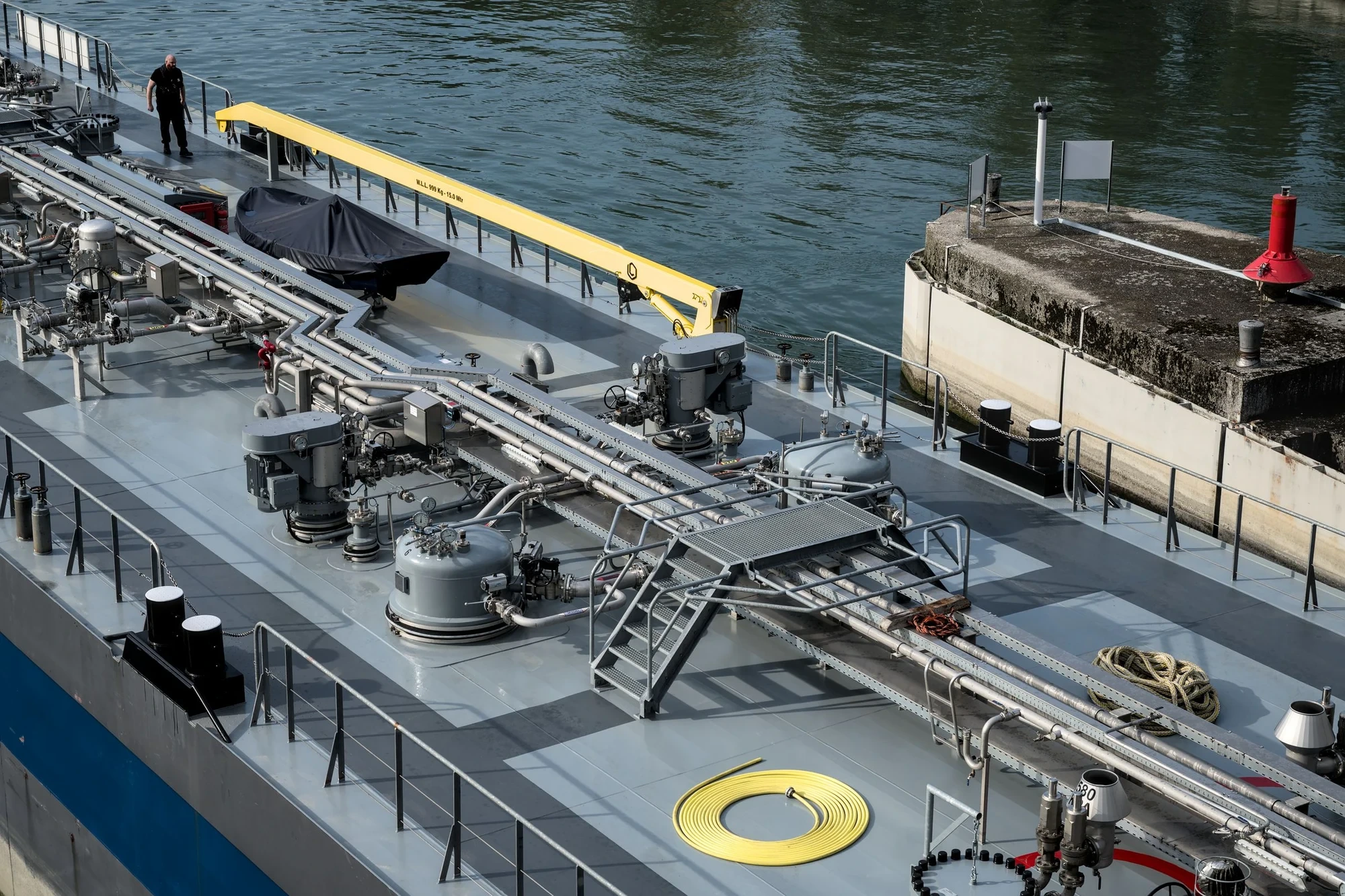
MARPOL附属書Iの規則17は、機関区域の作業を記載する油記録簿第I部を扱います。どの船が備えるのか、どの作業を記載するのか、誰が署名するのか、何年どこに置くのか、そして寄港国が何をできるのかが、一つの規則の中にあります。
この記録簿は、船が自分で残す唯一の油処理の証拠です。一行が空いていれば、その作業がなかったのではなく、記録されなかったことになります。寄港国が閲覧して認証写しを取れば、その写しは法廷で証拠になります。ですから記載の空白は船の空白として読まれます。
この記事は規則17の七つの項を順にたどり、付録IIIの記載項目コードを表で添えます。
記録簿を備える境目はタンカーとそれ以外の船で異なります
1 Every oil tanker of 150 gross tonnage and above and every ship of 400 gross tonnage and above other than an oil tanker shall be provided with an Oil Record Book Part I (Machinery Space Operations). The Oil Record Book, whether as a part of the ship’s official log-book or otherwise, shall be in the Form specified in appendix III to this Annex.
境目は二つです。油タンカーは150トンから、それ以外の船は400トンからです。タンカーは第II部(貨物・バラスト作業)を別に備えますが、第I部はタンカーにも掛かります。機関区域はどの船にもあるからです。
様式は付録IIIが定めます。公式の航海日誌の一部として置いても、別に置いてもかまいませんが、様式は変えられません。
記載対象は五つの機関区域作業です
2 The Oil Record Book Part I shall be completed on each occasion, on a tank-to-tank basis if appropriate, whenever any of the following machinery space operations takes place in the ship: .1 ballasting or cleaning of oil fuel tanks; .2 discharge of dirty ballast or cleaning water from oil fuel tanks; .3 collection and disposal of oil residues (sludge and other oil residues); .4 discharge overboard or disposal otherwise of bilge water which has accumulated in machinery spaces; and .5 bunkering of fuel or bulk lubricating oil.
基準はon each occasionです。作業があるたびに記載します。そしてtank-to-tank basisです。二つのタンクを一行にまとめず、タンクごとに記載します。
付録IIIはこの五つの作業をコード文字で分けます。記載するときは日付、コード文字、項目番号を欄に入れ、内容を時系列で記載します。
| 規則17.2の作業 | 付録IIIコード | 記載するもの |
|---|---|---|
| 燃料油タンクのバラスト注入・洗浄 | (A) | タンク、洗浄方法、開始・完了の時刻と位置 |
| 燃料油タンクの汚れたバラスト・洗浄水の排出 | (B) | タンク、開始・完了の位置、速力、排出方法、数量 |
| 油性残留物(スラッジ)の収集・処理 | (C) | 保有量(毎週)、処理方法と数量 |
| 機関区域ビルジの手動排出・処理 | (D) | 数量、時刻、方法(15 ppm装置・受入施設・移送) |
| 機関区域ビルジの自動排出 | (E) | 自動モード切替えの時刻と位置、手動復帰の時刻 |
| 油濾過装置の状態 | (F) | 故障時刻、復旧時刻、原因 |
| 事故・例外的排出 | (G) | 時刻、位置、油種とおおよその数量、経緯 |
| 燃料油・ばら積み潤滑油の補給 | (H) | 場所、時刻、油種と数量、タンク |
| その他の作業手順と備考 | (I) | 自由記載 |
(C)項には数字が一つ隠れています。保有中の油性残留物の量は毎週記載します。航海が一週間を超えても、週に一度は記載しなければなりません。作業がなくても生じる唯一の記載です。
例外的排出と装置の故障は、事情と理由まで記載します
3 In the event of such discharge of oil or oily mixture as is referred to in regulation 4 of this Annex or in the event of accidental or other exceptional discharge of oil not excepted by that regulation, a statement shall be made in the Oil Record Book Part I of the circumstances of, and the reasons for, the discharge.
規則4の例外(安全確保・人命救助・損傷)で排出した場合も記載します。例外に当たらない事故排出も記載します。どちらもcircumstances of, and the reasons forまで求めます。排出があったという事実だけでは記載は終わりません。
5 Any failure of the oil filtering equipment shall be recorded in the Oil Record Book Part I.
油濾過装置の故障は、排出がなくても記載します。付録IIIの(F)項がその場所です。故障時刻、復旧時刻、原因を求めます。装置が止まっていた時間が記録から消えれば、その時間のビルジがどこへ行ったかを説明する道も一緒に消えます。
作業ごとに担当士官が、ページごとに船長が署名します
4 Each operation described in paragraph 2 of this regulation shall be fully recorded without delay in the Oil Record Book Part I, so that all entries in the book appropriate to that operation are completed. Each completed operation shall be signed by the officer or officers in charge of the operations concerned and each completed page shall be signed by the master of ship.
時点はwithout delayです。作業が終わったらすぐに記載します。署名は二層です。一つの作業が終われば、その作業を担当した士官が署名します。一ページが埋まれば船長が署名します。船長の署名はページ単位なので、ページが埋まる前の記載は士官の署名だけが付いた状態にあります。
The entries in the Oil Record Book Part I, for ships holding an International Oil Pollution Prevention Certificate, shall be at least in English, French or Spanish. Where entries in an official national language of the State whose flag the ship is entitled to fly are also used, this shall prevail in case of a dispute or discrepancy.
IOPP証書を持つ船は、英語・フランス語・スペイン語のいずれかで記載します。旗国の公用語を併用すれば、争いがあるときは旗国語が優先します。二言語で記載する船は、二つの記載が同じ内容かを自分で合わせておかなければなりません。食い違えば旗国語の側が答えになります。
最後の記載から3年間、船に置きます
6 The Oil Record Book Part I, shall be kept in such a place as to be readily available for inspection at all reasonable times and, except in the case of unmanned ships under tow, shall be kept on board the ship. It shall be preserved for a period of three years after the last entry has been made.
保管場所は船です。例外は無人の被曳航船だけです。保管期間はthree yearsで、起算点は最後の記載です。一冊を使い切った日からではなく、その冊の最後の行を記載した日から数えます。使い切った冊を陸上事務所へ送ると、この項に反します。
寄港国は閲覧し、認証写しを求めることができます
7 The competent authority of the Government of a Party to the present Convention may inspect the Oil Record Book Part I on board any ship to which this Annex applies while the ship is in its port or offshore terminals and may make a copy of any entry in that book and may require the master of the ship to certify that the copy is a true copy of such entry.
寄港国の権限は三つです。閲覧し、写しを作り、船長にtrue copyの認証を求めます。船長が認証した写しは、その記載が述べる事実の証拠として法的手続で受け入れられます。ですから記載は船内のメモではなく、外に出ていく文書です。
同じ項は当局の義務も記します。閲覧と写しの作成はできる限り速やかに行い、船を不当に遅延させません。
確認しておくこと
上の引用は、決議MEPC.117(52)で採択された改正附属書Iの規則17と付録IIIから取りました。その後、決議MEPC.187(59)が規則17.2.3の語句を変えました。sludgeをoil residue (sludge)に替え、and other oil residuesを削りました。現在の記録簿の様式はその語句に従います。
この記事は紙の記録簿を基準に書きました。電子記録簿を主管庁がどのように承認するかは別の決議が定めており、ここでは扱っていません。油タンカーの第II部(規則36)も扱っていません。規則4の例外がどのような条件を求めるかは、その条文を直接見る必要があります。
引用した原文を直接確認できます
以下は、この記事で扱う文書の公式発行元へのリンクです。本文に記載した版と条項を照合し、実際の適用前にその後の改正と旗国の実施要件を確認してください。
関連する業務の解説も確認できます
油記録簿の(H)項の補給記載は、場所・時刻・油種・数量・タンクから出ます。Bellbookは入出港報告とNoon reportで燃料の受入れと消費先別の消費を受け取り、記録簿に転記する数字を一か所で探せるようにします。
無料で始める